Trending...
- BET and Soul Train Awards - GONE! - Introducing The World Hip Hop Awards
- Signature Smiles Dental Group Unveils New User-Friendly Website
- CNCPW Benchmarks Global Industry Standards: Integrating SEC Compliance with 3 Million TPS Architecture for Institutional Infrastructure
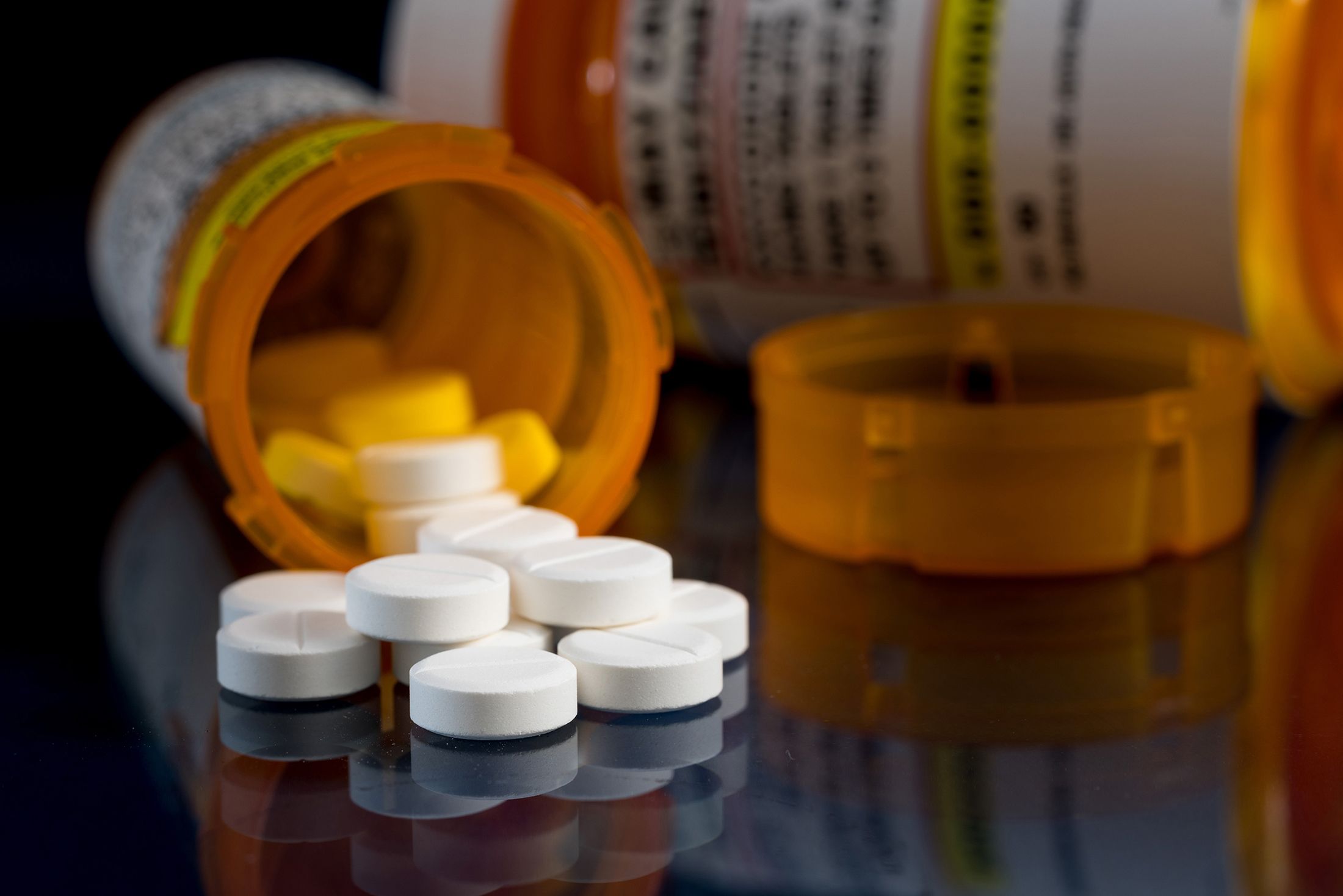
A mental health watchdog warns that misleading claims from special interests may hinder vital data collection on psychiatric drugs linked to suicide and violence, urging legislators to advance transparent toxicology reporting for public safety.
LOS ANGELES - WisconsinEagle -- By CCHR International
The Citizens Commission on Human Rights International (CCHR), a 50-year mental-health industry watchdog, is urging legislators to ensure that policy decisions are grounded in evidence—not in misinformation from vested interests. The appeal follows testimony before the Wyoming Joint Labor, Health & Social Services Committee, which recently considered but postponed sponsorship of the proposed Wyoming Death Data Collection and Toxicology Transparency Act.[1]
The bill—similar to a recent Tennessee law—would require coroners to test for and report the presence of psychiatric drugs in suicides and violent deaths—using only anonymous, aggregate data. This information would provide lawmakers with transparent, population-level evidence that can improve public safety.
Although the bill's focus is limited to non-identifiable, aggregated reporting, the committee chose not to sponsor it as a committee bill, instead leaving the door open for individual legislators to introduce it, keeping the proposal alive for future debate.
Jan Eastgate, president of CCHR International, said there was "a shocking amount of disinformation presented to lawmakers in the hearing by state officials and psychiatric representatives opposing this important public-awareness bill." She added, "Such resistance reflects a broader national pattern of efforts by psychiatric-pharmaceutical interests to suppress information about the risks associated with these drugs."
During the hearing, a county coroner claimed that "if someone is taking their medication like they're supposed to, ten to one they're not gonna die by suicide." Yet, in stark contrast, an April 2025 University of East London analysis of nearly 8,000 U.K. coroners' inquests found antidepressants were linked to 2,718 hangings, 933 overdoses, and 979 other suicides.[2]
The Food and Drug Administration (FDA) has required black-box warnings on antidepressants since 2004, the agency's most severe warning label, citing increased suicide risk for individuals up to age 24. A 2023 Neuropsychopharmacology study confirmed that selective serotonin reuptake inhibitors (SSRIs) can triple suicide-attempt risk among minors and double it in young adults.[3]
More on Wisconsin Eagle
Internationally recognized researcher Dr. Peter C. Gøtzsche concluded in The BMJ that antidepressants "can cause suicide and homicide at any age," citing drug-induced agitation, impulsivity, and aggression.[4] Psychopharmacology expert Professor David Healy likewise found that SSRIs caused one in four healthy volunteers to become agitated or suicidal—symptoms seen in 5% of clinical-trial participants, compared with 0.5% on placebo.[5]
CCHR's submission emphasized that these findings are highly relevant to Wyoming. In 2019, about 11.8% of Wyoming's 578,759 residents—roughly 68,000 people—were prescribed antidepressants. Based on Healy's data, more than 3,000 people could experience agitation severe enough to heighten suicide or violence risk. This, CCHR argued, underscores why the proposed toxicology transparency law is a vital public-safety measure.
Wyoming juries have previously recognized such risks. In 2001, a Cheyenne jury found that an antidepressant was a substantial factor in a man with no prior mental or violent history killing his family within days of being prescribed the drug—determining that it was 80% responsible for the acts.[6]
Similar court findings worldwide have linked antidepressants and stimulants to psychosis, suicide, and homicide:
During the Committee hearing, a recent mass-violence Wyoming case was mentioned, yet the psychiatric drugs involved were not discussed. A mother from Cheyenne prescribed ketamine—an hallucinogenic anesthetic not FDA-approved for psychiatric conditions—and the sedative-hypnotic clonazepam killed her four daughters. Her husband blamed "mental illness," unwittingly repeating the disproven notion of "chemical imbalances in the brain"—a myth long used in pharmaceutical marketing, and thoroughly debunked. Ketamine's known effects include hallucinations, delirium, and dissociation, all of which can distort perception and judgment.
A psychiatrist testifying at the hearing claimed antidepressants require time to "make new RNA and DNA" in the brain before taking effect.
More on Wisconsin Eagle
There is no scientific evidence proving that antidepressants create new DNA and RNA. The FDA states in official product information for many antidepressants that they do not produce genotoxic effects—meaning they do not damage or alter genetic material.
Despite championing the use of psychiatric drugs, the same psychiatrist admitted that "once you take more than three medications, it's hard to predict what is going to happen," adding that "polypharmacy could be a significant problem." CCHR says these statements only strengthen the case for mandated toxicology testing.
CCHR maintains that measures like the Wyoming bill are vital because they would allow legislators to monitor the prevalence of psychiatric drugs in suicides and acts of violence through confidential, aggregate data. Wyoming already requires autopsies in cases of violent or criminal acts, and adding tests for antidepressants and other psychiatric drugs would involve routine toxicology screening. Testimony during the hearing raises legitimate concerns over whether such tests are currently being performed at all.
Public access to aggregated, de-identified toxicology data would not breach privacy laws but would ensure transparency about how often psychiatric drugs are present in these tragedies—an area the FDA has long recognized as relevant—rather than allowing the issue to remain obscured behind vague attributions to "mental illness."
CCHR was established in 1969 by the Church of Scientology and Dr. Thomas Szasz, a professor of psychiatry. It has helped achieve hundreds of laws globally to protect patients and obtain transparency about psychiatric drug risks.
Sources:
[1] "Wyoming Coroner Claims, 10 to 1 If You Are Taking Your Psych Meds Correctly You Won't Die, Bill Fails to Test for Psych Drugs After Death," AbleChild, 19 Oct. 2025, www.ablechild.org/2025/10/19/wyoming-coroner-claims-10-to-1-if-you-are-taking-your-psych-meds-correctly-you-wont-die-bill-fails-to-test-for-psych-drugs-after-death/
[2] John Read, Ph.D., "Antidepressants and Suicide: 7,829 Inquests in England and Wales, 2003–2020," Ethical Human Psychology and Psychiatry, Vol. 25, Issue 1, 2023, connect.springerpub.com/content/sgrehpp/25/1/8
[3] Lagerberg, T. et al., "Effect of selective serotonin reuptake inhibitor treatment following diagnosis of depression on suicidal behaviour risk: A target trial emulation," Neuropsychopharmacology. July 28, 2023, doi.org/10.1038/s41386-023-01676-3
[4] Peter C Gøtzsche, "Antidepressants and murder: case not closed," BMJ, 2 Aug. 2017, www.bmj.com/content/358/bmj.j3697/rr-4
[5] David Healy, Andrew Herxheimer, and David B Menkes, "Antidepressants and Violence: Problems at the Interface of Medicine and Law." PLoS Medicine, Sept. 2006, 3(9): e372, pmc.ncbi.nlm.nih.gov/articles/PMC1564177/; www.opednews.com/populum/page.php?f=genera_evelyn_p_061207_experts_battle_over_.htm
[6] David Healy, et al., "Antidepressants and Violence: Problems at the Interface of Medicine and Law," PLoS Medicine, Sept. 2006, 3(9): e372, pmc.ncbi.nlm.nih.gov/articles/PMC1564177/
The Citizens Commission on Human Rights International (CCHR), a 50-year mental-health industry watchdog, is urging legislators to ensure that policy decisions are grounded in evidence—not in misinformation from vested interests. The appeal follows testimony before the Wyoming Joint Labor, Health & Social Services Committee, which recently considered but postponed sponsorship of the proposed Wyoming Death Data Collection and Toxicology Transparency Act.[1]
The bill—similar to a recent Tennessee law—would require coroners to test for and report the presence of psychiatric drugs in suicides and violent deaths—using only anonymous, aggregate data. This information would provide lawmakers with transparent, population-level evidence that can improve public safety.
Although the bill's focus is limited to non-identifiable, aggregated reporting, the committee chose not to sponsor it as a committee bill, instead leaving the door open for individual legislators to introduce it, keeping the proposal alive for future debate.
Jan Eastgate, president of CCHR International, said there was "a shocking amount of disinformation presented to lawmakers in the hearing by state officials and psychiatric representatives opposing this important public-awareness bill." She added, "Such resistance reflects a broader national pattern of efforts by psychiatric-pharmaceutical interests to suppress information about the risks associated with these drugs."
During the hearing, a county coroner claimed that "if someone is taking their medication like they're supposed to, ten to one they're not gonna die by suicide." Yet, in stark contrast, an April 2025 University of East London analysis of nearly 8,000 U.K. coroners' inquests found antidepressants were linked to 2,718 hangings, 933 overdoses, and 979 other suicides.[2]
The Food and Drug Administration (FDA) has required black-box warnings on antidepressants since 2004, the agency's most severe warning label, citing increased suicide risk for individuals up to age 24. A 2023 Neuropsychopharmacology study confirmed that selective serotonin reuptake inhibitors (SSRIs) can triple suicide-attempt risk among minors and double it in young adults.[3]
More on Wisconsin Eagle
- Starlink Local Installers helping Wisconsin stay wired
- Verb™ Presents Features Vanguard Personalized Indexing: Utilizing Advanced Tax-Loss Harvesting Technology
- UK Financial Ltd Announces A Special Board Meeting Today At 4PM: Orders MCAT Lock on CATEX, Adopts ERC-3643 Standard, & Cancels $0.20 MCOIN for $1
- 6 Holiday Looks That Scream "Old Money" But Cost Less Than Your Christmas Tree
- From Cheer to Courtroom: The Hidden Legal Risks in Your Holiday Eggnog
Internationally recognized researcher Dr. Peter C. Gøtzsche concluded in The BMJ that antidepressants "can cause suicide and homicide at any age," citing drug-induced agitation, impulsivity, and aggression.[4] Psychopharmacology expert Professor David Healy likewise found that SSRIs caused one in four healthy volunteers to become agitated or suicidal—symptoms seen in 5% of clinical-trial participants, compared with 0.5% on placebo.[5]
CCHR's submission emphasized that these findings are highly relevant to Wyoming. In 2019, about 11.8% of Wyoming's 578,759 residents—roughly 68,000 people—were prescribed antidepressants. Based on Healy's data, more than 3,000 people could experience agitation severe enough to heighten suicide or violence risk. This, CCHR argued, underscores why the proposed toxicology transparency law is a vital public-safety measure.
Wyoming juries have previously recognized such risks. In 2001, a Cheyenne jury found that an antidepressant was a substantial factor in a man with no prior mental or violent history killing his family within days of being prescribed the drug—determining that it was 80% responsible for the acts.[6]
Similar court findings worldwide have linked antidepressants and stimulants to psychosis, suicide, and homicide:
- Kentucky: A worker on an antidepressant killed eight co-workers; the coroner found the drug "in certain individuals has caused a violent, hostile type of reaction."
- North Dakota: A father on a prescribed stimulant killed his infant daughter; the court accepted evidence that the drug induced a psychotic state acknowledged by its manufacturer.
- Australia: A judge concluded that an antidepressant likely caused a father with no history of violence to kill his family, ruling the crime "would not have occurred" without the drug.
During the Committee hearing, a recent mass-violence Wyoming case was mentioned, yet the psychiatric drugs involved were not discussed. A mother from Cheyenne prescribed ketamine—an hallucinogenic anesthetic not FDA-approved for psychiatric conditions—and the sedative-hypnotic clonazepam killed her four daughters. Her husband blamed "mental illness," unwittingly repeating the disproven notion of "chemical imbalances in the brain"—a myth long used in pharmaceutical marketing, and thoroughly debunked. Ketamine's known effects include hallucinations, delirium, and dissociation, all of which can distort perception and judgment.
A psychiatrist testifying at the hearing claimed antidepressants require time to "make new RNA and DNA" in the brain before taking effect.
More on Wisconsin Eagle
- Controversial Vegan Turns Rapper Launches First Song, "Psychopathic Tendencies."
- Inside the Fight for Affordable Housing: Avery Headley Joins Terran Lamp for a Candid Bronx Leadership Conversation
- Canterbury Hotel Group Announces the Opening of the TownePlace Suites by Marriott Portland Airport
- Heritage at South Brunswick's Resort-Style Amenities for Any Age and Every Lifestyle
- T-TECH Partners with Japan USA Precision Tools for 2026 US Market Development of the New T-TECH 5-Axis QUICK MILL™
There is no scientific evidence proving that antidepressants create new DNA and RNA. The FDA states in official product information for many antidepressants that they do not produce genotoxic effects—meaning they do not damage or alter genetic material.
Despite championing the use of psychiatric drugs, the same psychiatrist admitted that "once you take more than three medications, it's hard to predict what is going to happen," adding that "polypharmacy could be a significant problem." CCHR says these statements only strengthen the case for mandated toxicology testing.
CCHR maintains that measures like the Wyoming bill are vital because they would allow legislators to monitor the prevalence of psychiatric drugs in suicides and acts of violence through confidential, aggregate data. Wyoming already requires autopsies in cases of violent or criminal acts, and adding tests for antidepressants and other psychiatric drugs would involve routine toxicology screening. Testimony during the hearing raises legitimate concerns over whether such tests are currently being performed at all.
Public access to aggregated, de-identified toxicology data would not breach privacy laws but would ensure transparency about how often psychiatric drugs are present in these tragedies—an area the FDA has long recognized as relevant—rather than allowing the issue to remain obscured behind vague attributions to "mental illness."
CCHR was established in 1969 by the Church of Scientology and Dr. Thomas Szasz, a professor of psychiatry. It has helped achieve hundreds of laws globally to protect patients and obtain transparency about psychiatric drug risks.
Sources:
[1] "Wyoming Coroner Claims, 10 to 1 If You Are Taking Your Psych Meds Correctly You Won't Die, Bill Fails to Test for Psych Drugs After Death," AbleChild, 19 Oct. 2025, www.ablechild.org/2025/10/19/wyoming-coroner-claims-10-to-1-if-you-are-taking-your-psych-meds-correctly-you-wont-die-bill-fails-to-test-for-psych-drugs-after-death/
[2] John Read, Ph.D., "Antidepressants and Suicide: 7,829 Inquests in England and Wales, 2003–2020," Ethical Human Psychology and Psychiatry, Vol. 25, Issue 1, 2023, connect.springerpub.com/content/sgrehpp/25/1/8
[3] Lagerberg, T. et al., "Effect of selective serotonin reuptake inhibitor treatment following diagnosis of depression on suicidal behaviour risk: A target trial emulation," Neuropsychopharmacology. July 28, 2023, doi.org/10.1038/s41386-023-01676-3
[4] Peter C Gøtzsche, "Antidepressants and murder: case not closed," BMJ, 2 Aug. 2017, www.bmj.com/content/358/bmj.j3697/rr-4
[5] David Healy, Andrew Herxheimer, and David B Menkes, "Antidepressants and Violence: Problems at the Interface of Medicine and Law." PLoS Medicine, Sept. 2006, 3(9): e372, pmc.ncbi.nlm.nih.gov/articles/PMC1564177/; www.opednews.com/populum/page.php?f=genera_evelyn_p_061207_experts_battle_over_.htm
[6] David Healy, et al., "Antidepressants and Violence: Problems at the Interface of Medicine and Law," PLoS Medicine, Sept. 2006, 3(9): e372, pmc.ncbi.nlm.nih.gov/articles/PMC1564177/
Source: Citizens Commission on Human Rights International
Filed Under: Government
0 Comments
Latest on Wisconsin Eagle
- OKAVA Pharmaceuticals Announces First Cat Dosed in MEOW-1 Study of OKV-119, the World's First Clinical-Stage GLP-1 Weight-Loss Therapy for Pets
- Explosive Growth in U.S. Cryptocurrency Cloud Mining Sets The Stage for New Platform Launch with Daily Rewards in a Transparent Revenue-Share Model
- Qtex Cierra Ronda de $7 Millones para Estandarizar la Banca Transfronteriza en los Mercados Emergentes de Latinoamérica
- America's Most Festive Garages Wanted for Garage.com's 2025 Holiday Contest
- FDA Accepts ANDA for KETAFREE™ as Analyst Sets $34 Price Target for NRx Pharmaceuticals: (N A S D A Q : NRXP) NRx is Poised for a massive Breakthrough
- BEC Technologies Expands MX-220 5G Industrial Router Series for Edge Connectivity
- "Latino Leaders Speak: Personal Stories of Struggle and Triumph, Volume II" Documents the Truth About Latino Excellence and Impact on American Society
- Broadway Smile Boutique Unveils Modern Website for Enhanced Patient Experience
- Fenix Consulting Group Expands Orange County Office to Meet Growing Client Demand
- Signature Smiles Dental Group Unveils New User-Friendly Website
- CCHR: New Data Shows Millions of U.S. Children Caught in Escalating Psychiatric Polypharmacy
- QwickContractReview.com Launches $19 Contract Review Service to Protect Consumers from Hidden Contract Risks
- On Your Mark Turns Phones Into a Holiday Party Game Instead of a Distraction
- 100% Bonus Depreciation Places New Spotlight on Off The Hook Yacht Sales Inc. (N Y S E: OTH) as a Major Player in the $57 Billion U.S. Marine Market
- CNCPW Benchmarks Global Industry Standards: Integrating SEC Compliance with 3 Million TPS Architecture for Institutional Infrastructure
- The Patina Collective & Artist Jesse Draxler Debut "The Machine of Loving Grace"
- Smile! Dental Center Named 2025 "Best Dentist" in North Pittsburgh, Celebrating High-Tech Care and Heartfelt Service
- Dr. Johnny Shanks, As Seen on TV, Announces 20% Off Dental Implant Treatments | Tennessee's Leading All-on-X Provider
- Star Sleep & Wellness Expands to Pearland, Texas — Bringing Life-Changing Sleep Care to More Communities
- Fort Lauderdale Dentist Dr. Taskonak & IN A DAY SMILE Receive Emmy Nomination for Life-Changing Documentary "The Weight of a Smile"